
The Best Way to Start Freelancing is to Start Full Time
Before you can sell yourself, you need to build out your product: yourself.


I encountered the best advice about freelancing I’ve ever heard back when I started: “Don’t quit your full-time job to start freelancing. Start freelancing while working your full-time job.”
Unfortunately, I only heard it after I had been fired from my last full-time job (ha).
Thankfully, I had already picked up some short-term work and was only a couple months away from a long-term contract with my first big freelancing client, but I immediately understood the point. It is very hard to get this started from a standstill, especially if you have no experience doing it. Freelancing is much more than the skill you’re selling (which, for me, has always been writing): it’s selling itself, and learning that part of the game with secure, full-time income* locked up will eliminate 90% of the stress you’d otherwise have.
However, Inkspiller isn’t necessarily for full-timers looking to jump (though I welcome you and am writing with you in mind, too). This is primarily for new and aspiring freelancers that have been sold a bill of goods by YouTube copywriting gurus. I’ve been asked how to get started freelancing by a lot of people who have never written professionally or worked in marketing—or worked at all.
(Seriously, I had to tell a 17 year old on Reddit that he should graduate high school and maybe get a normal job first before trying to pitch companies on his marketing services.)
So here’s the advice above, updated for this new audience that’s been unfortunately created by the YouTube gurus:
I know, it doesn’t sound right. Freelancing is supposed to be a path toward professional independence. It’s what you do when you don’t want to have a boss. But the thing the get-rich-from-home YouTube dinguses don’t tell you is: you’re not just writing, or coding, or designing, you’re running a business. It’s a business of one—yourself—but it’s a business nonetheless, with all the soft skills (sales, marketing, client services, administrative work, etc) that come with it.
Running a freelance business is a HUGE part of “freelance copywriting” (literally half the name), and is a skill you need to learn in addition to copywriting. And you will learn that skill much better if you start out as a full-timer than if you will if you start out as a freelancer, for two reasons:
- It will help you learn the business side of things.
- It will give you a lower-stakes environment in which to make your early-career mistakes.
And trust me, you will make a lot of mistakes.
Learning the business side
There are two ways an aspiring freelancer (copywriter or otherwise) can go full-time at first: at an agency or at a company (in the advertising and marketing world, working at a company is called “in-house”). Either will be better than starting out completely on your own, but I recommend an agency if it’s an option for you. It’s also the way I started, so I know it and can speak to it better.
At an agency, you’ll have to talk to a lot of people on a lot of different teams (and if you find you don’t, start finding excuses to). New biz, strategists, SEO experts, designers, creatives, coders, account executives, sales, and more are all likely within the same four walls (or in the same Teams/Slack channels) as you, and if you’re smart about it, you can find ways to assist them in their work (especially if you’re a writer). You’ll see how a paycheck and HR onboarding works, how new business is acquired (something any agency or freelancer cannot ignore), how account folks handle upset clients, and more—all skills you’re going to need as an independent.
You can still see these skillsets in action while in-house, but you’ll have to go out of your way more to do it. At an agency, a lot more of it will happen in front of you without you having to seek it out—you just need to pay attention and take it all in.
I still distinctly remember a woman who ran the account team on a handful of candy brands I worked on at my last full-time agency job. I watched her handle very thorny client issues that completely screwed up our own internal production timelines. Clients were mad, creative was mad, and she was stuck in the middle, but I never remember her losing her temper or lashing out at anyone. (On the flip side, I have definitely seen people lose their temper in similar situations.) She handled it, and the example she set in her attitude and how she phrased things in emails to the client and to us on the creative team taught me more about managing clients and proactive communication than any book or podcast (or newsletter!) could ever hope to.
You are going to need that kind of education if you want to do this independently, because no one else is going to do it for you. At that gig and others, I’ve seen how sales reps treat clients and land new business, how HR staffs teams, and how finance people decide on benefits.
You aren’t going to have those people to do it for you when you’re on your own. You’ll need to learn how to do that first, and going full-time is a fantastic way to do it.
But that’s not all you need to learn. There’s also the big, sticky creative side of things, and going full-time first can help you there, too.
Making your early-career mistakes
Again, I can only speak from my own experience, and my initial experience was at agencies. And initially, I was woefully lacking in experience.
Before my first full-time copywriting gig, I was coming off roughly four years of a comedy career borne of post-2008 job market wasteland. No one was hiring for anything, so I decided to check out and pursue comedy while writing on the side. I had no clients, no bosses or managers, just editors at websites that accepted work from me when I had it to pitch. I was writing for myself, not clients, and my own taste was good enough to get me through that period.
Once I hit full-time agency work, I learned quickly how much I still had to learn. In my very first client call, I was rewriting copy in the Google Doc as it was being presented (protip: clients hate that, as do well-honed account directors with two decades of experience who are trying to read to copy for the client).
I made a ton of mistakes early on: trying to do too much, not doing nearly enough, doing the wrong things, you name it. I had to learn how to write for an entirely new professional world, and I couldn’t have done it without the excellent senior copywriters and CDs above me who took me under their wings and (very patiently) showed me the ropes.
More than that, though, I had to learn about myself as a professional. I had never really had to think about things like time management, prioritization, direction, and feedback. I had to learn what I wanted from my career for the first time.**
I still remember the time a particularly patient CD asked me in the car on our way back from a client meeting: “What do you want to do with this? Like five years from now, what do you expect this to be for yourself?”
At the time, I didn’t have an answer, beyond “more money than I’m making now.” To be clear, that’s a perfectly valid thing to want out of any career, but in answering it, I realized I had no direction or plan for this. I was just throwing stuff at the wall to see what stuck.
Today, I know what I want out of this: ever-increasing direct control over my income, my time, and my career.*** Some years get me closer to that than other years, but ever since I went independent, I have trended positively along all three of those points. Before I was full-time and throughout my entire full-time experience, I thought a full-time job would lead to that. Today, I know that freelancing is likely my best avenue toward that level of autonomy.
But I couldn’t have figured that out without going full-time first, and I couldn’t have become the better-rounded professional I am today without going full-time first.
I understand you might not want to hear this. I wouldn’t have either, if I was looking at this as a career back before I got my first full-time job! But this is a hard business to start from zero, especially as an independent, and the YouTube sleazoids aren’t going to refund part of your course fee to help you pay your rent. Get a job—a normal job—at first, and learn this world before attempting to do it on your own.
*How “secure” full-time income is in 2024, with right-to-work laws, at-will employment, and massive layoffs rampant across the country, is an entirely separate column.
**In fairness to 2012-ish me, that was the first time “my career” was anything other than “the thing that is currently paying me just barely enough to cover rent and groceries.”
***Another way to say this is “the ability to see the world, spend time with my friends, and be present for my family.”
Blots and Drops
- I also talk a lot about using your network, as opposed to cold-calling or -emailing businesses, to drum up work. Going full-time first will be like pouring gasoline on the fire that is your network. You will meet a ton of people.
- How I capture the data for that network and use it later is a great topic for a future #freelancing article.
- A bit of Paris Olympics opening ceremony discourse (that isn’t about the recreation of a French painting of a Greek god that has nothing to do with an Italian painting of a Christian god):
- New Jersey’s biggest heel has finally agreed to resign.
- Here’s a great X-Men 97 meme.
- I promise, this is a newsletter about copywriting, freelancing, and content strategy, not politics. But the Harris campaign has come out of the gate SWINGING with a killer content strategy:
Thanks for reading. If you were forwarded this, I’m glad you’re here! Hit the subscribe button below to jump in on the Summer Spiller sale: Three free months of full access. Sale ends Labor Day.
Got something to say? Subscribe to sound off in the comments. Free tier gets comment access. I’ll reply!
Head on over to the Q+A submission form to drop off a Q for me to A.
We went to Bar Mutz's chef table earlier this month, and had some incredible Italian. A quick gallery of photos here—maybe a full write up coming later in my personal newsletter?
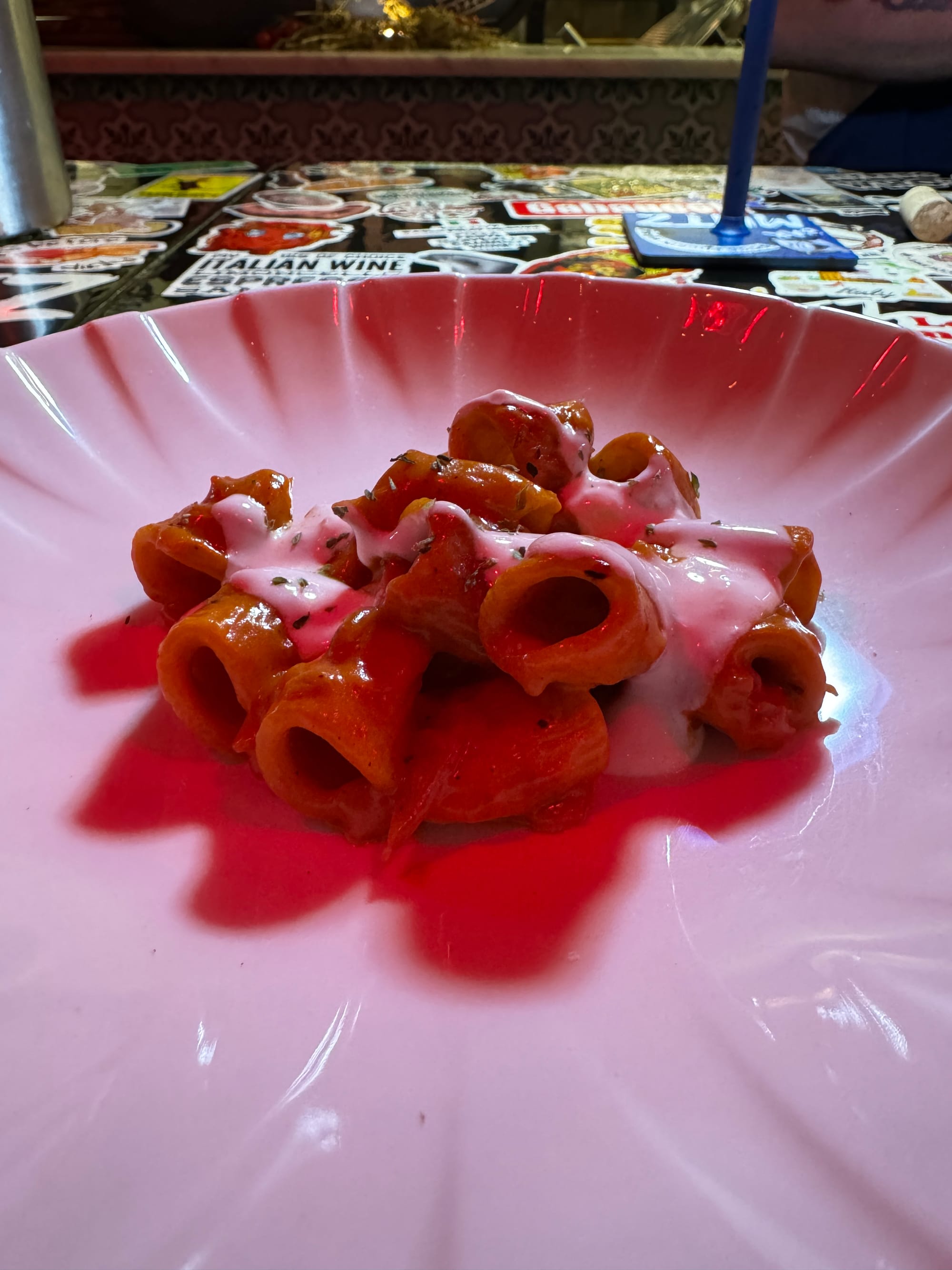
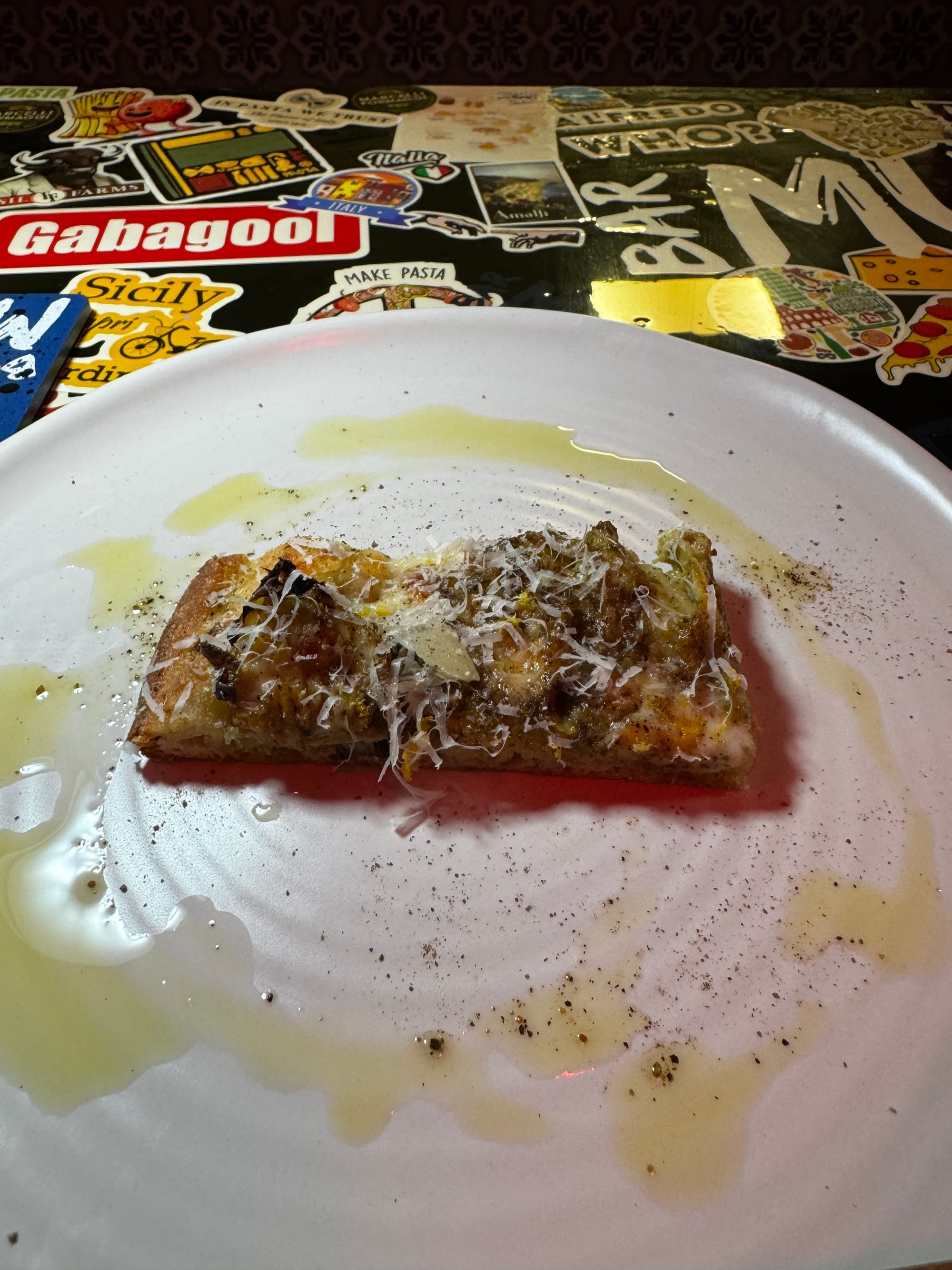
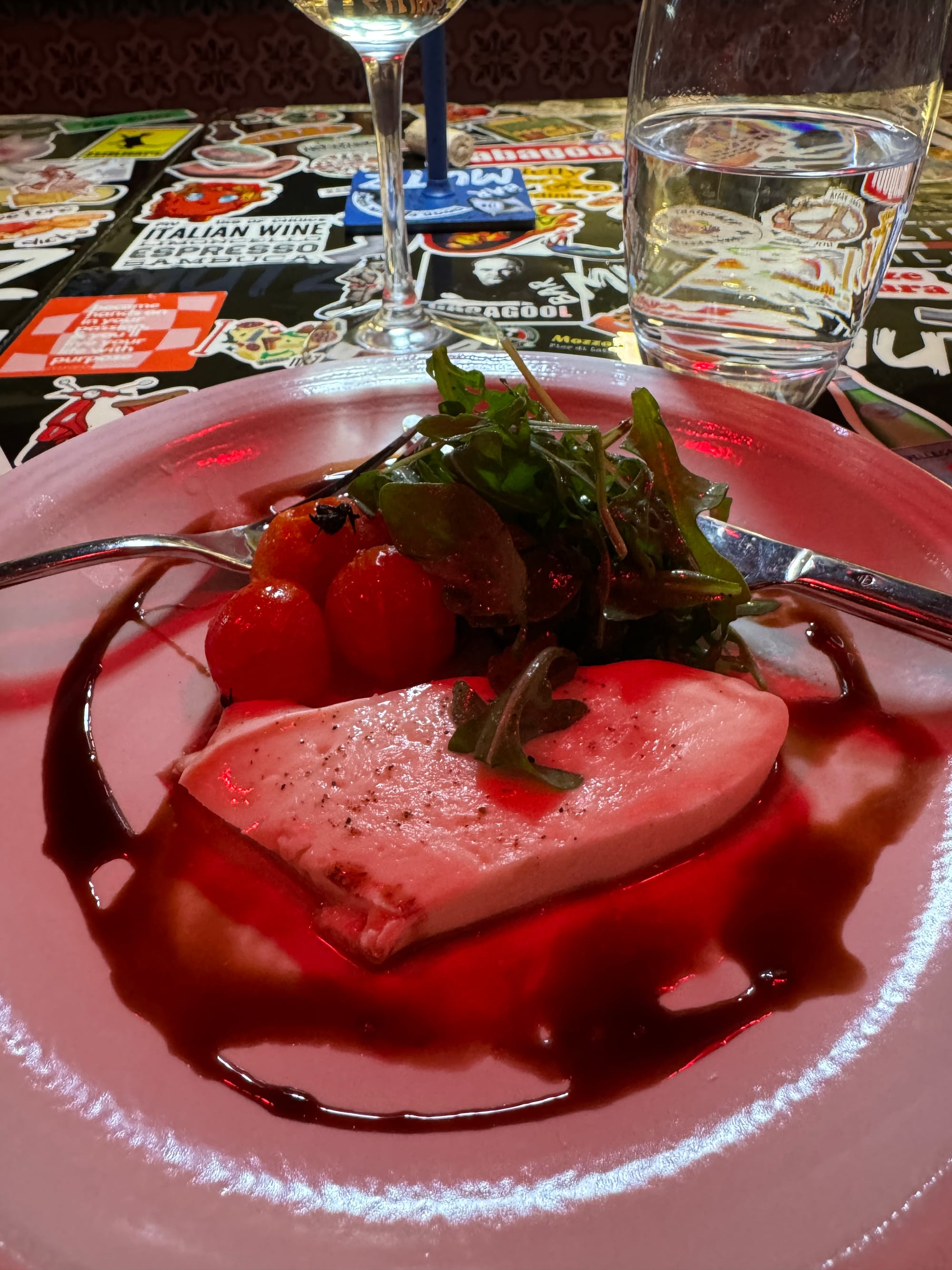
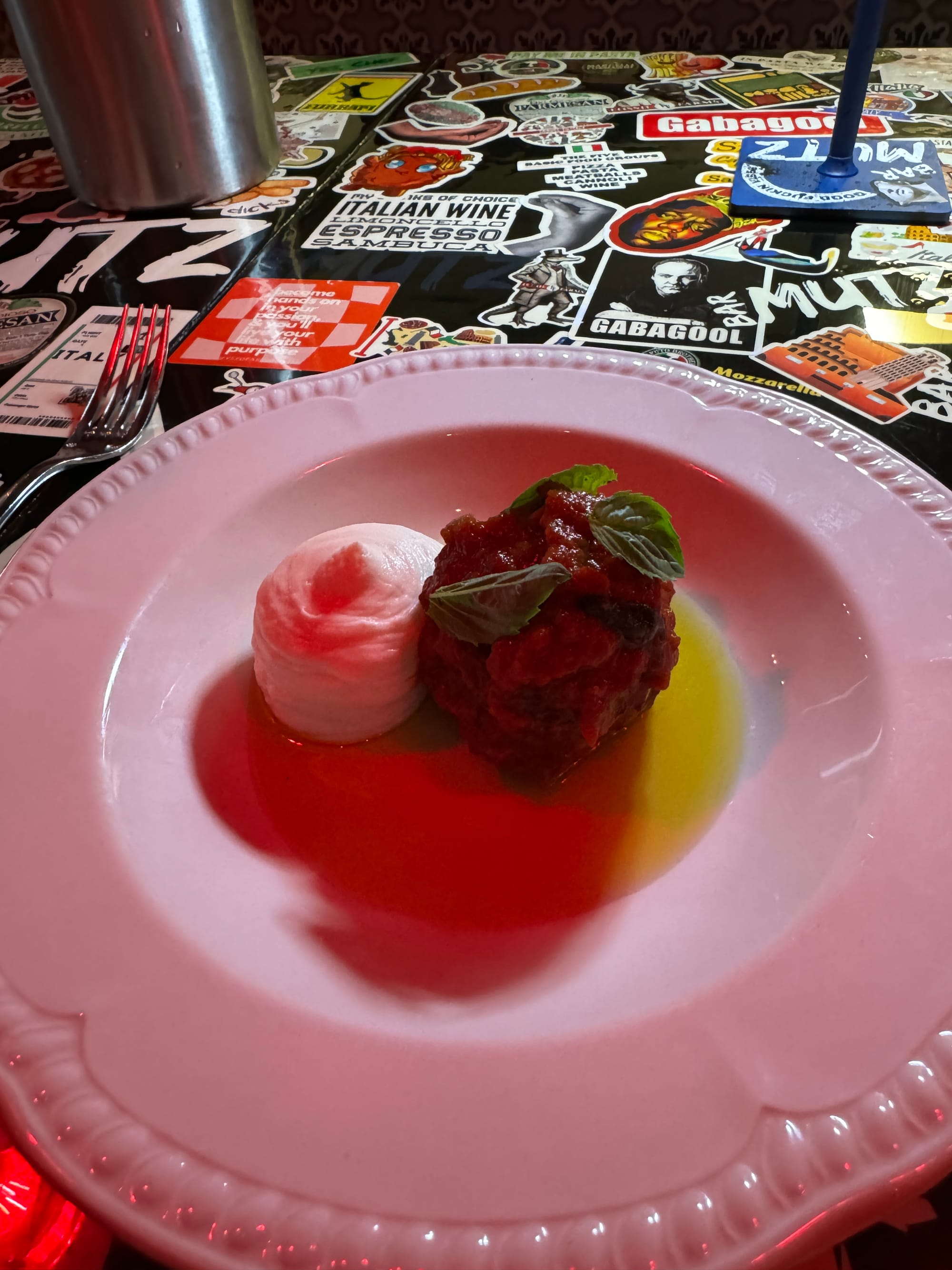
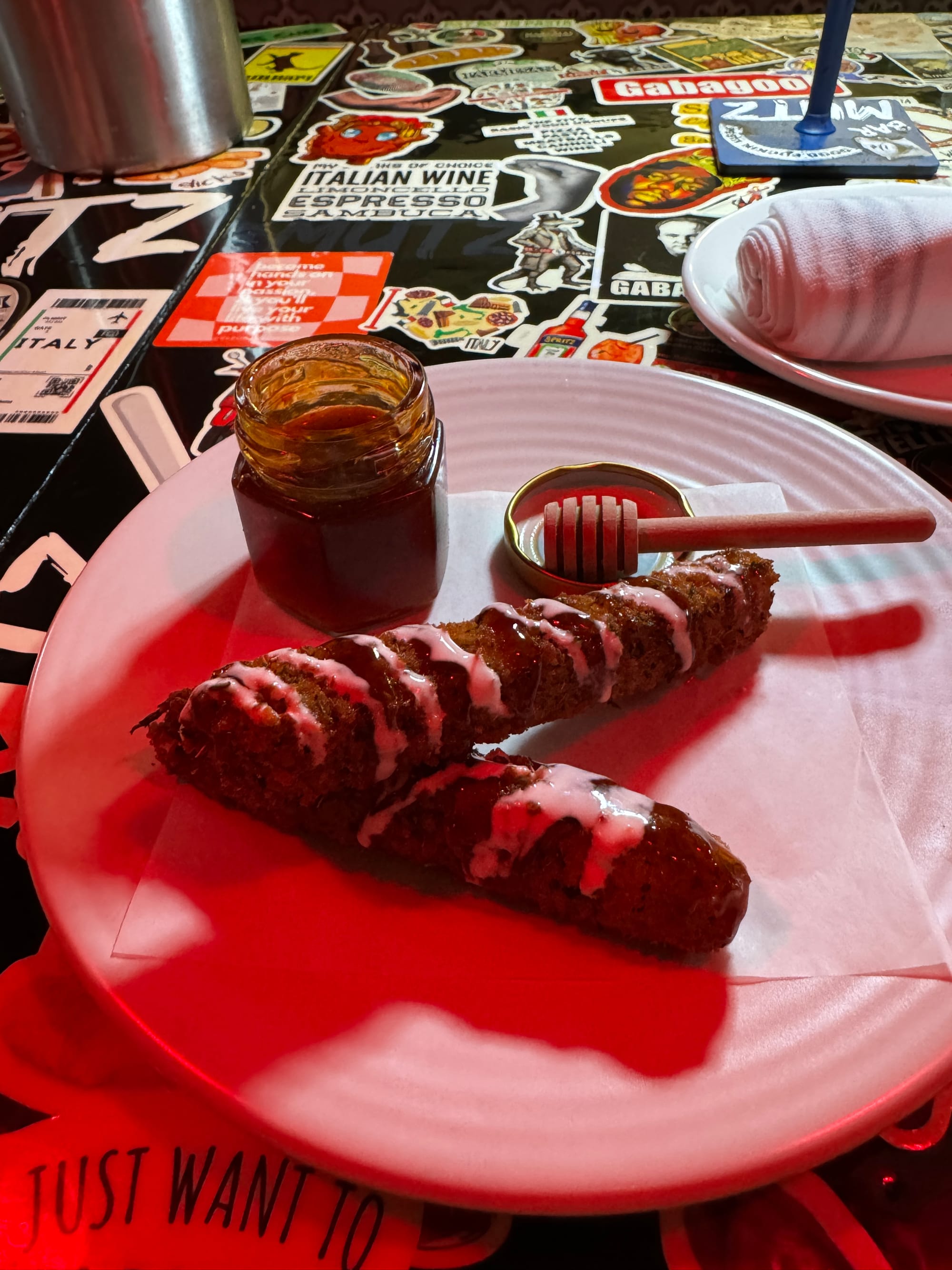

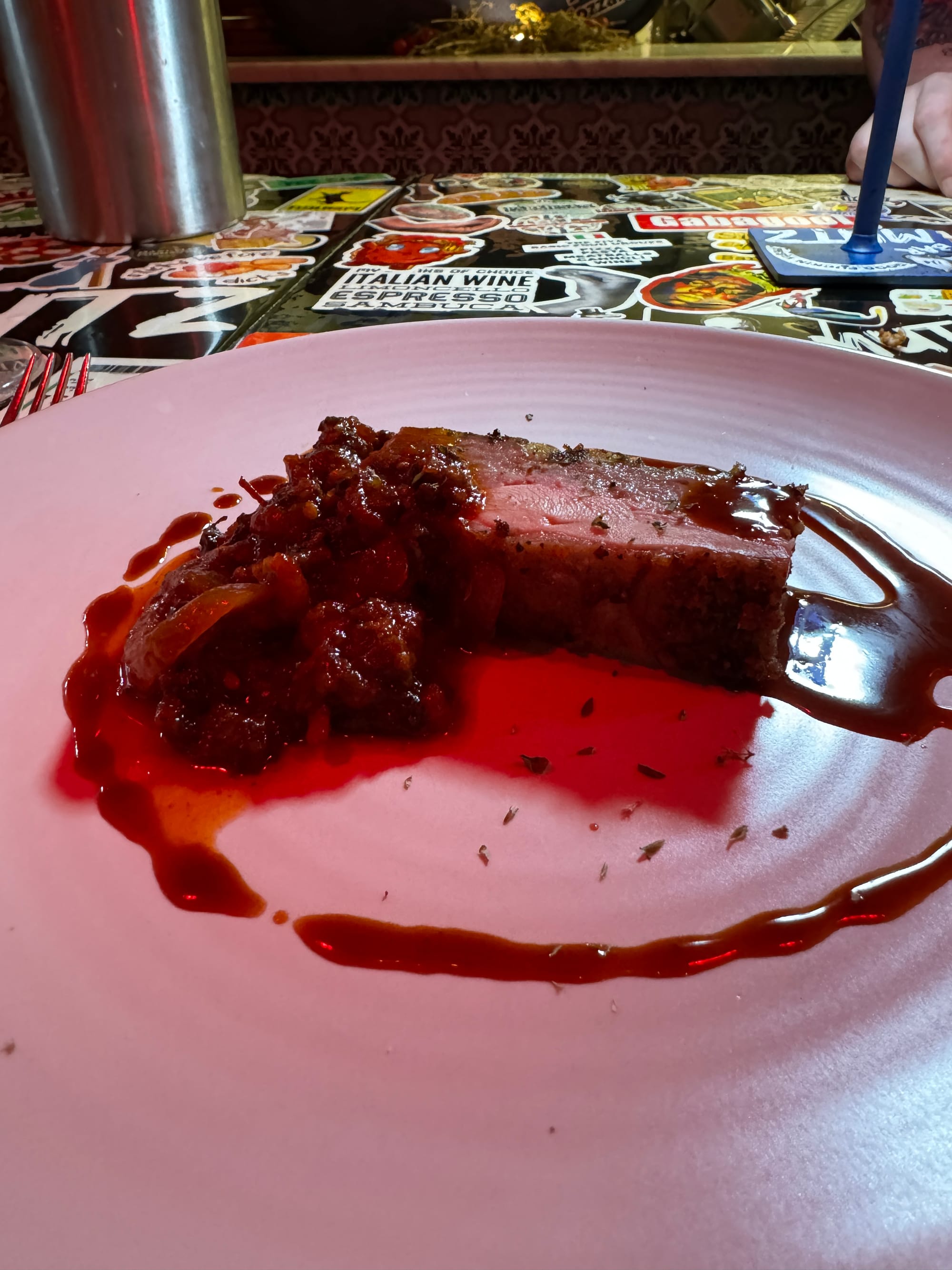
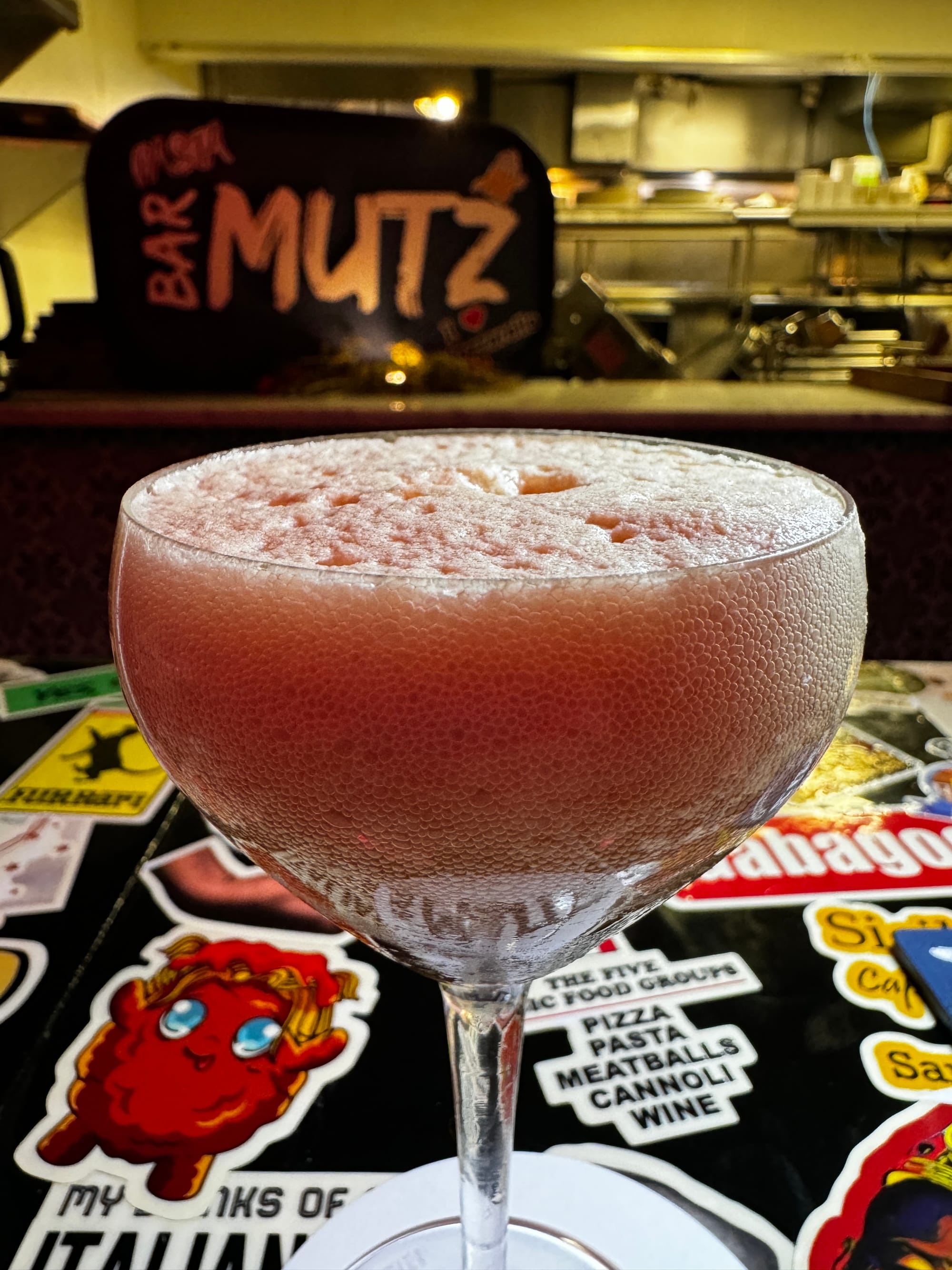
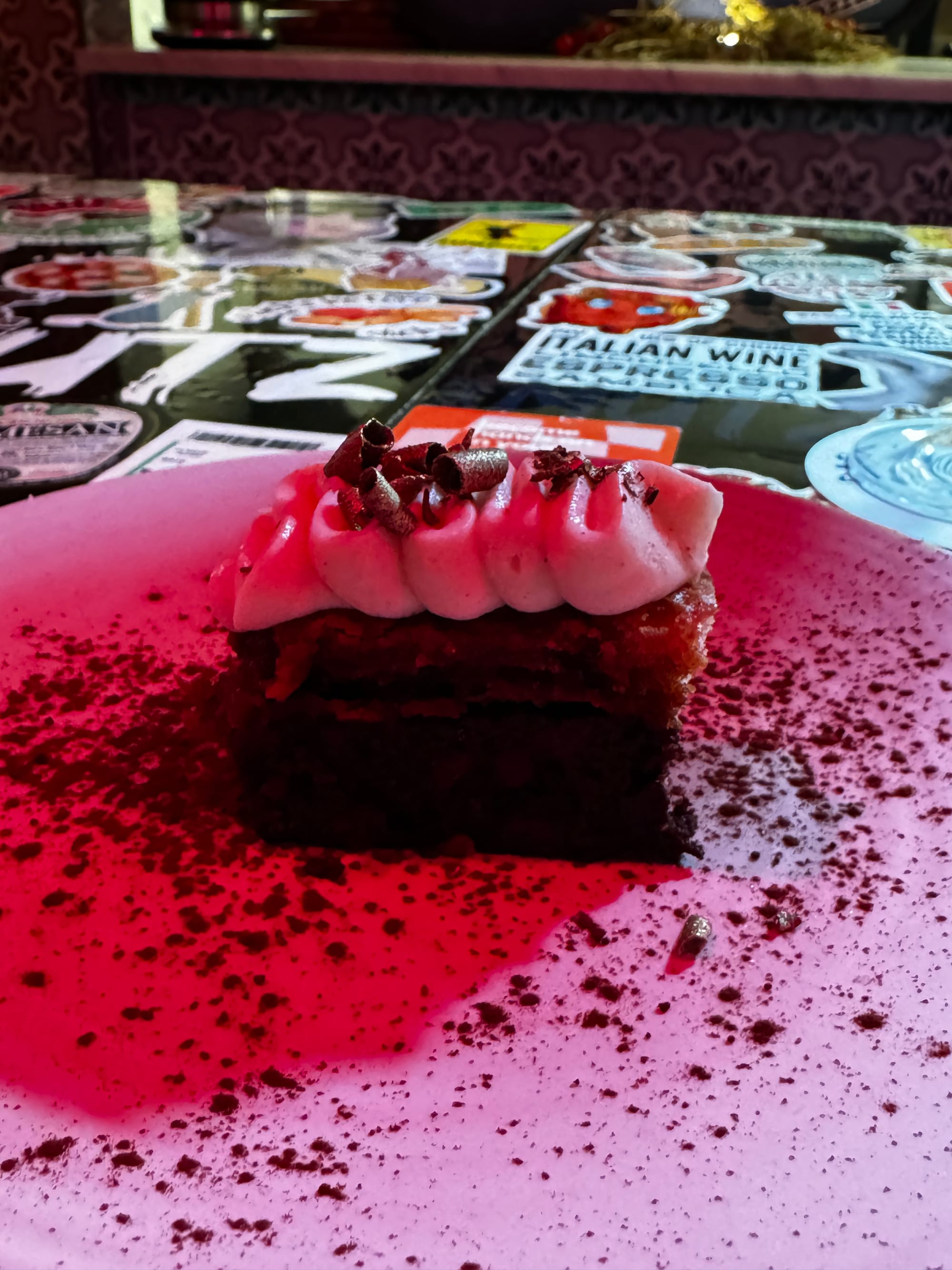
A selection of the tastings we had at Bar Mutz. I couldn't hope to remember all their names.